Fibre

Fibre

Mongolian Sheep Wool

Sheep wool has a place in Mongolian life that extends from the felt covering of the ger to knitted and woven textiles.

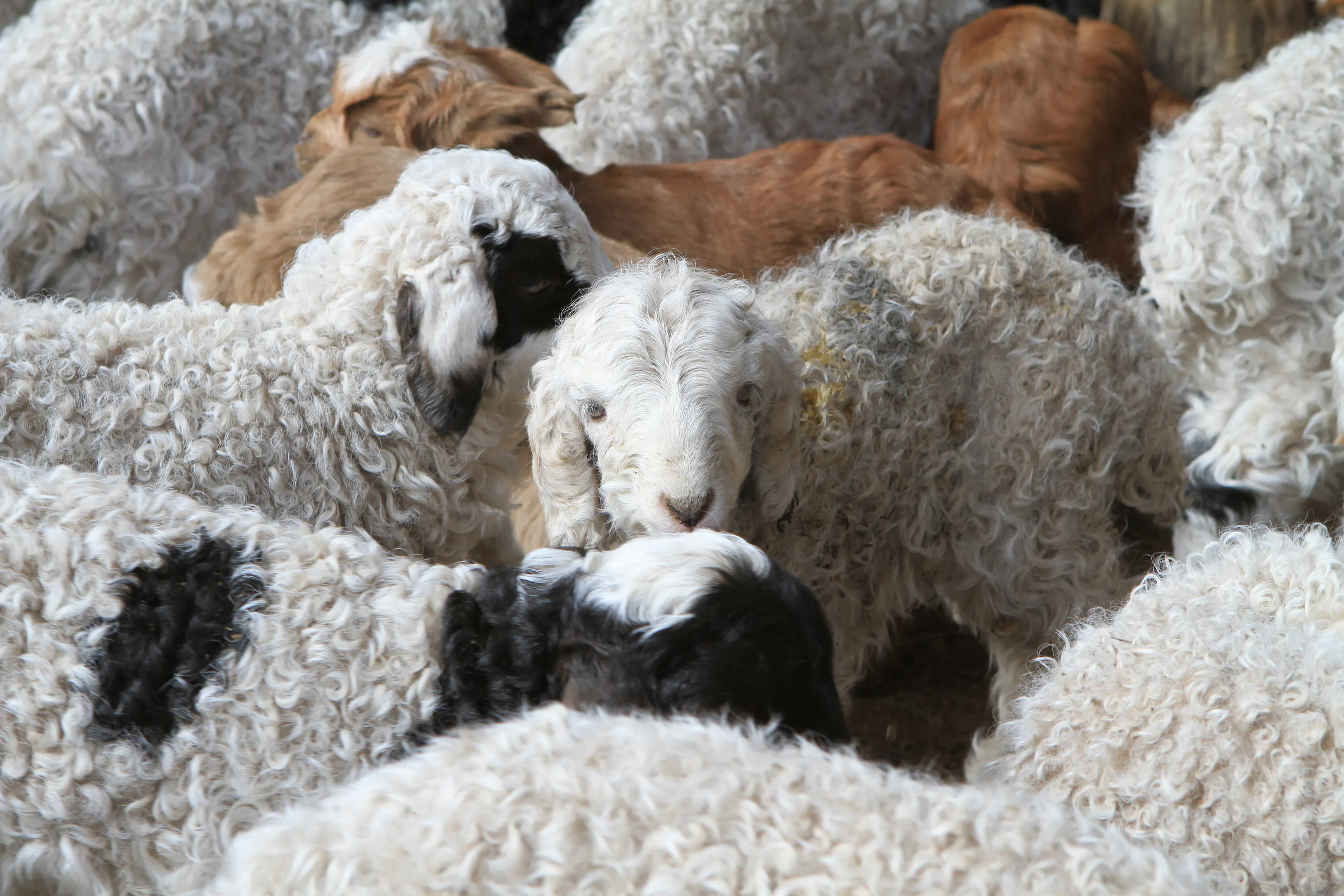
Young sheep with curly fleece gathered together.

The animal

Sheep in the pastoral herd

Sheep supply food and wool within Mongolia’s mixed livestock economy. Their wool is not a single uniform material: fleece can differ in fineness, length and texture. A Mongolian origin describes where it comes from, rather than one fixed level of softness.
Herders and culture

Wool, felt and the ger

The felt covering of the ger makes wool part of everyday shelter. UNESCO’s account of ger craftsmanship describes families and communities preparing sheep wool and making felt together, alongside the woodwork and other skills needed for the dwelling.

That relationship gives wool a cultural role beyond clothing. It is a material used to make a home, with practical knowledge shared through participation and passed between generations.

Fibre character

Resilience, loft and the tendency to felt

Wool’s crimp helps create loft and resilience. These qualities can give a textile warmth and body, while the range of fleece types allows very different surfaces and uses.

Coarser fibres may feel uncomfortable against the skin. Moisture, heat and agitation can also encourage fibres to felt and change dimensions: a useful behaviour in making felt, but a constraint when a knitted or woven item must retain its shape. Wool’s versatility includes these trade-offs, rather than a promise that every fleece suits every use.

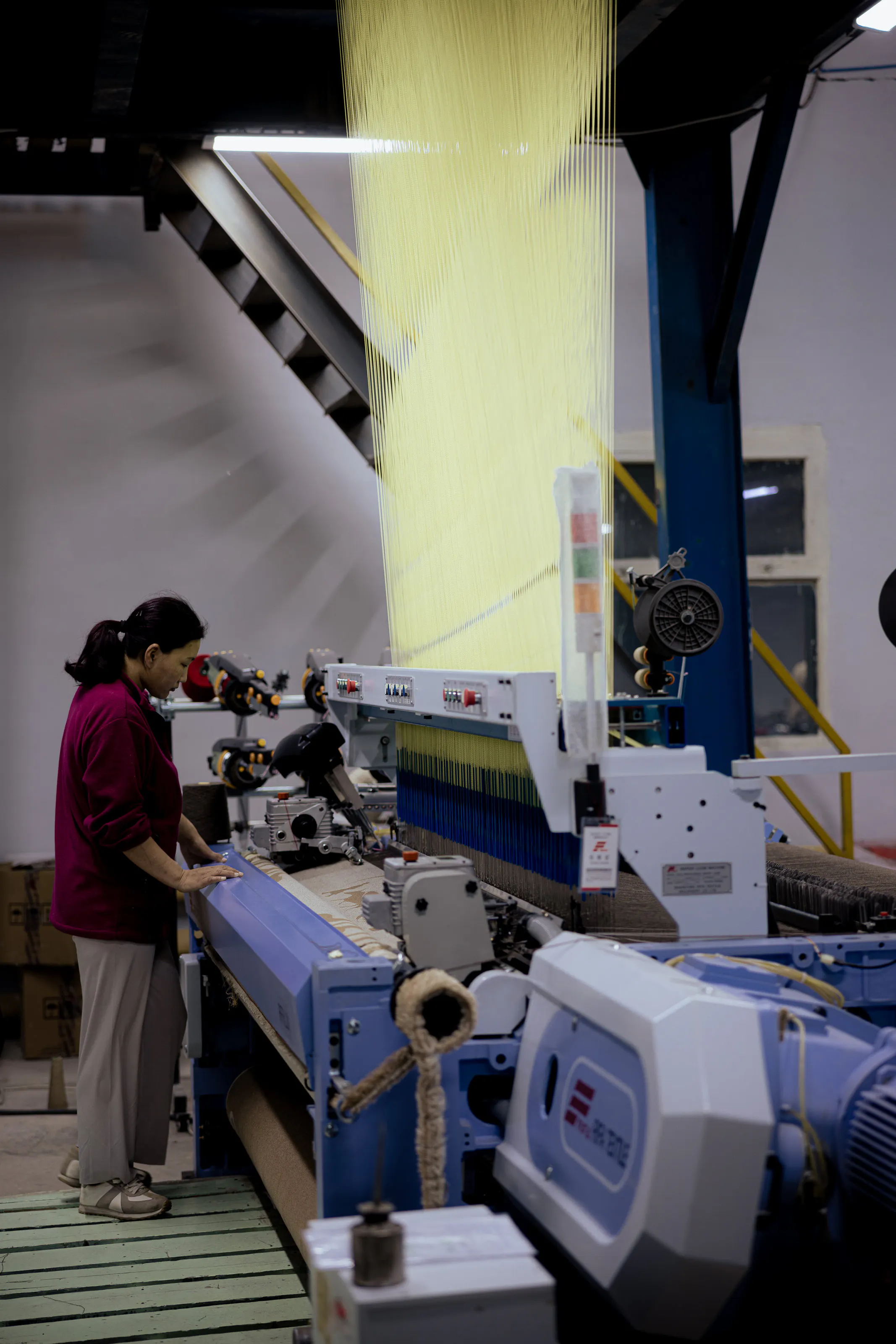
An operator beside a weaving machine.

Fibre into product

From wool to a finished textile

Explore the service routes for a sheep-wool yarn or finished-product project.